

2025-2026 Award Recipients
Research!America congratulates the recipients of the 2025-2026 Public Engagement Content awards. Launched in 2024, the program provides early to mid-career scientists with the opportunity to create open-source curricula to train fellow scientists in communication and other skills needed to effectively engage with the public.
Sparked by initial funding from the Lasker Foundation, awards of up to $5,000 have been made to 8 scientists, including PhD candidates, postdoctoral researchers, professional degree candidates, and junior faculty, to develop innovative training to foster scientists’ engagement with the public. Additional funding for the program comes from the Rita Allen Foundation, science communicator Dennis Mangan, and the Dana Foundation for awards related to neuroscience.
Read on to learn about the 2025-2026 recipients.
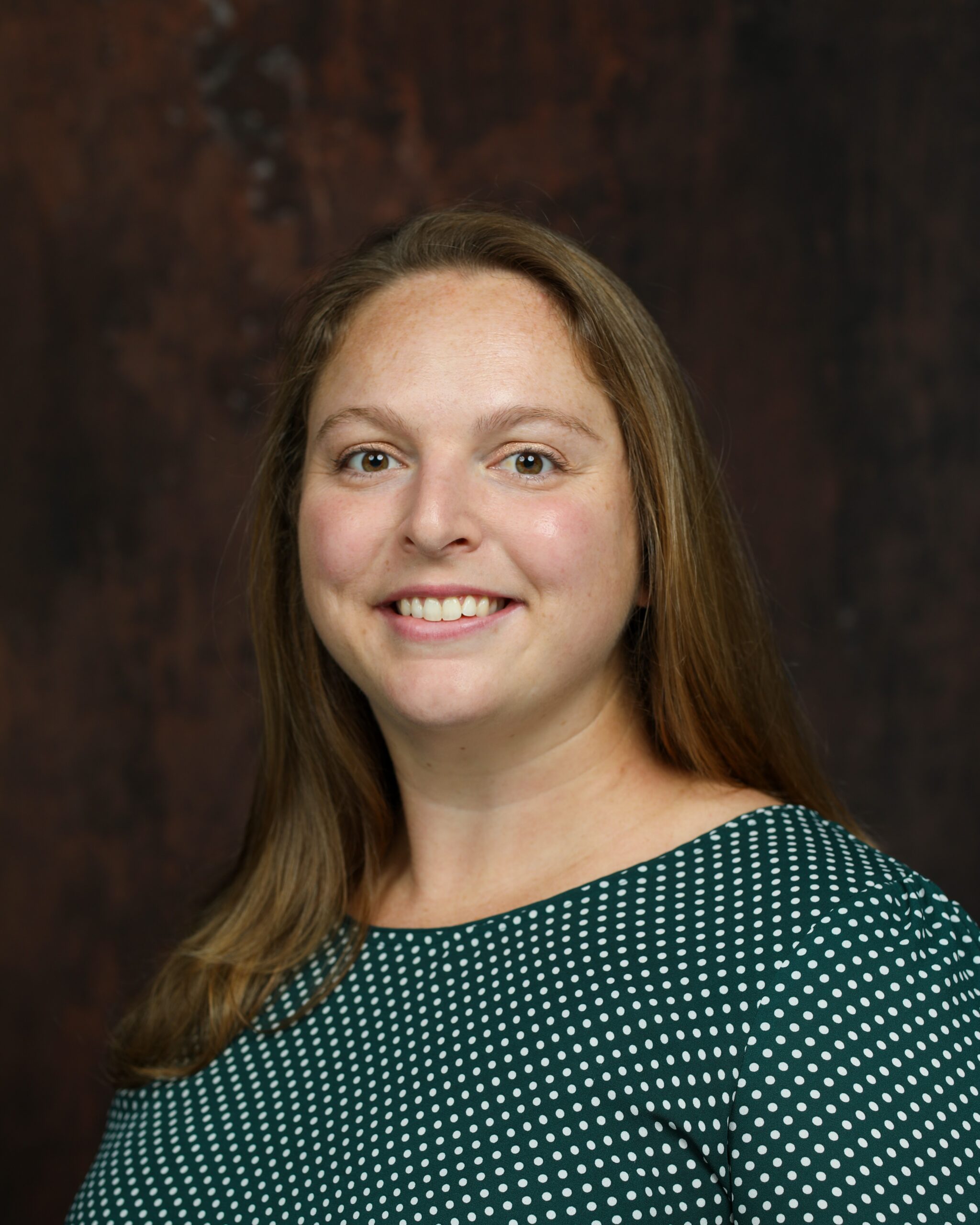 Brean Prefontaine, Duke University
Brean Prefontaine is a Postdoctoral Researcher at Duke University. Inspired by her experience as an inaugural awardee of the 2024-2025 Public Engagement Content Awards program, Brean is continuing to develop her curriculum in evaluation through a companion workbook, “How to Evaluate Your Informal STEM Activities”. She is also developing a program-specific workshop geared towards recipients of Research!America’s Civic Engagement Microgrant program. In the workshop, micrograntees will learn to thoughtfully incorporate evaluation into their projects to better capture their projects’ impacts. The revised workbook will add new chapters on culturally responsive evaluation practices, approaches to data collection beyond surveys and interviews, and considerations for evaluating programs involving youth participants. In partnership with Research!America’s Civic Science programs leadership, Brean will host a virtual workshop open to recipients of the Civic Engagement Microgrant and Public Engagement Content Awards programs. The workshop will develop participants’ ability to write meaningful evaluation questions, design culturally relevantresponses, identify and design appropriate data collection methods, interpret evaluation data, and draw conclusions about impact. The goal of these joint initiatives is to address the unmet need for evaluation training for many public engagement practitioners.
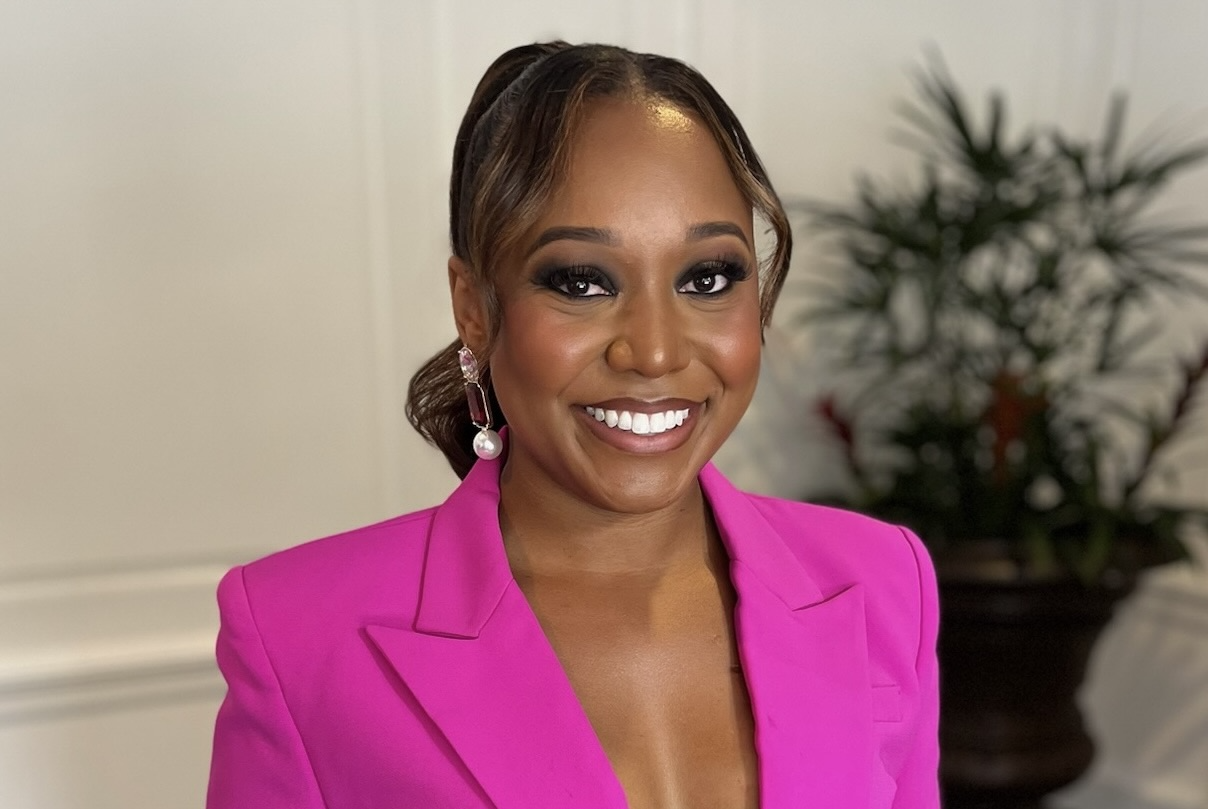 Breana Turner, Virginia Tech
Breana Turner is a PhD candidate in Translational Biology, Medicine, and Health at Virginia Tech. She is developing Becoming HealthyHer, a digital curriculum rooted in Black Feminist Theory that reframes health communication as a shared, culturally contextual practice focused on recognizing that Black women’s experiences are distinct. The online modules, composed of videos, written lessons, and reflection prompts, will be piloted with diverse partners and audiences, including mentors and employees from Our Future Is Science (Aspen Institute), HealthConnect One, and Inova Health Systems. The curriculum will empower participants to apply the 3 P’s of Health Communication—Prepare, Present, Prevent—to strengthen health literacy and advocacy for patients and train clinicians, scientists, and public-health professionals to practice reflective listening and non-deficit, culturally responsive communication. Breana’s goal is to develop her dissertation research, a multi-focus group study of Black women’s health spanning Black Female participants Gen Z through Gen X, into practical, accessible tools to improve Black women’s health.
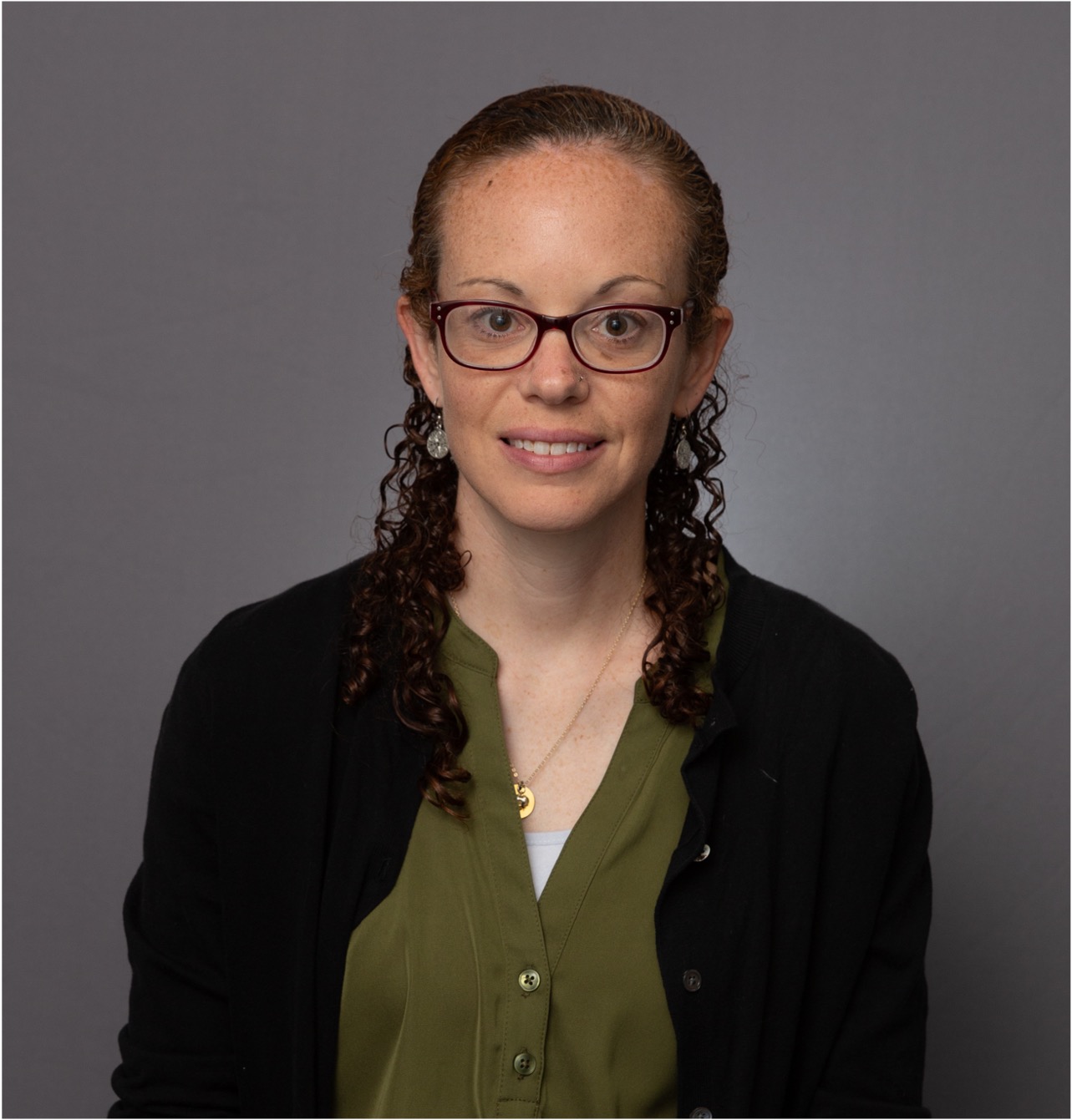 Beth Hoffman, University of Pittsburgh School of Public Health
Beth Hoffman is an Assistant Professor at the University of Pittsburgh School of Public Health. She is developing a curriculum that trains and pairs pre-medical students at the University of Pittsburgh with seniors across Pittsburgh to address the lack of formal training for clinicians in public-facing communication around misinformation, an issue especially harmful for older adults who are particularly vulnerable to the impacts of medical misinformation. Her curriculum will teach students strategies to address health misinformation in older adults beyond specific disease silosthrough hands-on learning, including best practices for risk communication, pre-bunking, and debunking. In partnership with the Claude D. Pepper Older Americans Independence Center,participants will apply the skills they learn in dialogues between senior community members and future clinicians, an effort to build trusted relationships. The goal of the program is to empower pre-medical students to address medical misinformation head-on through trust-building, patient-centered communication strategies.
Megan Nelson, University of California, San Diego
Megan Nelson is a Neuroscience PhD student at the University of California, San Diego. She is developing a workshop series for volunteer instructors in the UC San Diego Jail Outreach Program, an initiative with the San Diego County sheriff’s department where STEM PhD students provide scientific lessons for incarcerated populations. Since most instructors for the UC San Diego Jail Outreach Programs are graduate students who often have little to no formal training in teaching marginalized groups or effective science communication for reaching non-scientist populations, this project seeks to address that unmet need. The workshops will provide the volunteer instructors with formal training in trauma-informed pedagogy and in science communication techniques to develop the STEM PhD students’ ability to foster rapport; cultivate safe, receptive learning environments; and identify and avoid reinforcing stigmas. The goal of the curriculum is to develop open-source educational materials that facilitate trauma-informed learning across diverse instructional environments.
Saurja DasGupta, University of Notre Dame
Dr. Saurja DasGupta is an Assistant Professor of Chemistry and Biochemistry at the University of Notre Dame. This project builds on his experience as an inaugural awardee of the 2024-2025 Public Engagement Content Awards program, through which he developed ‘A Science Communicator’s Toolkit’. He will continue developing his curriculum by expanding the Sci-Art module, hosting regular virtual science writing workshops, and advancing curriculum development to publicize additional modules. The effort will build-upon previous success in publishing science comic books and hosting Sci-Art workshops by publishing a third science comic book, developing a graphic novel on the origin of life, and hosting expanded Sci-Art workshops disseminating best practices for visual science communication. These science communication assets will be displayed through a traveling Sci-Art exhibition. The exhibition has already drawn national audiences when it was hosted at Notre Dame Football Fridays. The exhibition also will be displayed in India and hosted by Indian Institute of Science and IISER Pune. By advancing curriculum development in parallel with expanded real-world engagement activities, this project will reach broader audiences, provide repeated opportunities for skill-building, and move toward establishing a sustainable, long-term science communication training program.
Letonia Copeland-Hardin, University of Chicago
Letonia Copeland-Hardin is a postdoctoral scholar at the University of Chicago. Inspired by her previous work as a micrograntee of Research!America Civic Engagement Microgrant program (2024-2025), she is building sustainable community-academic partnerships through a science communication workshop and online modules training for graduate students and postdocs on how to incorporate humor-informed, improv-based communication to foster dialogue and long-term collaboration. In partnership with the University of Chicago Medicine Comprehensive Cancer Centerand humor specialist Kelsie Huff, the one-day workshop will teach participants to apply techniques used by stand-up comics to build trust, foster co-learning, and communicate more effectively with community partners in community-based participatory research (CBPR) settings. The workshop will develop participants’ skills using metaphors to quickly convey complex information in digestible formats, improvisation, and storytelling. The online modules will expand the application of humor in science communication beyond CBPR settings, providing an in-depth, five-lesson training on how scientists can more effectively communicate complex scientific data into accessible narratives to nonscientist audiences. By incorporating non-traditional communications strategies, such as humor, this project seeks to provide creative solutions to gaps in science communication training for researchers while building unique scientist-community bonds.
The next two efforts are neuroscience-related and funded by the Dana Foundation:
Ivette Planell-Mendez, Emory University
Ivette Planell-Méndez is a postdoctoral fellow at Emory University and a cognitive neuroscientist with a PhD from Princeton University. She is developing a self-directed online course addressing the persistent gap between research on development, attention, learning, and neurodiversity and K–12 educators training by preparing STEMM postdoctoral fellows and faculty to bridge the science-to-classroom divide. By equipping scientists with these skills, the curriculum ensures that evidence-based knowledge reaches classrooms and communities where it can have a meaningful impact. The online course will be informed by STEMM postdocs, faculty, and K–12 educators focus groups; feedback received at a workshop piloting the modules; and engaging a small panel of K–12 educators to pilot the modules. The goal of the online module is for participants to learn how to communicate developmental research, co-create accessible resources with educators, and engage neurodivergent and underserved school communities.
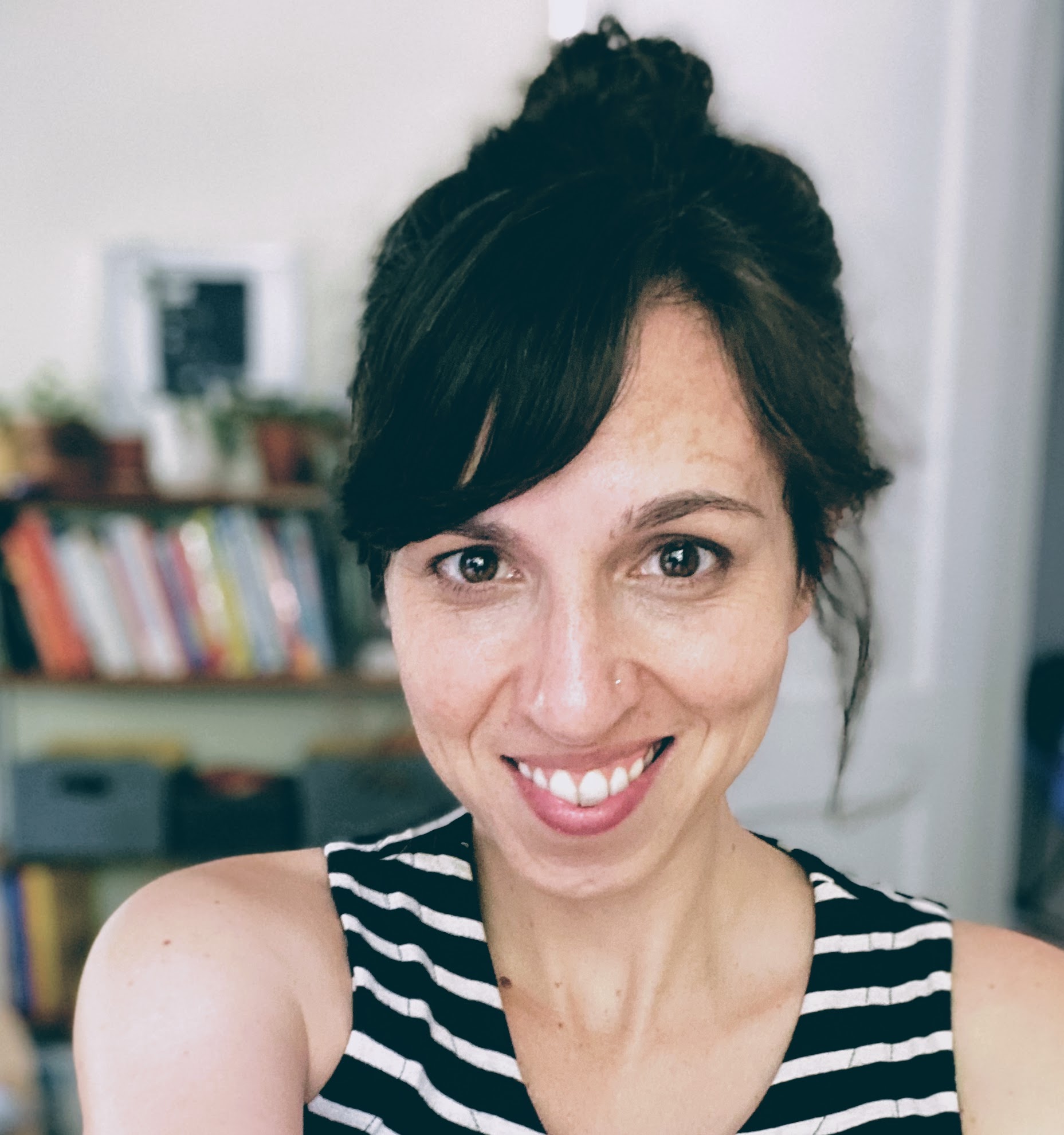 Charlotte Vaughn, University of Maryland
Charlotte Vaughn is an assistant research professor at the University of Maryland and director of the Language Science Station at Planet Word Museum. She is developing a virtual workshop and digital toolkit aimed at helping researchers across behavioral science fields develop impactful and innovative debriefings for their research studies. The joint digital resources will empower participants to understand the importance of debriefing for public engagement, understand the role of debriefing in science communication objectives, and learn best practices for developing debriefings that spark curiosity by going beyond a simple accounting of the incremental goals of a project and communicating findings though engaging modalities ( i.e. video, games, comic strips). Through iterative evaluations from attendees of the virtual workshop piloting the content, the modules intend to bring more behavioral scientists into public engagement by teaching them how to communicate effectively with their participants and how to maximize the impact of debriefings.