NEW ORLEANS—April 29, 2008—Mental health issues top the list of ways Louisianans say the 2005 hurricanes affected the health of people in their community. In a new state poll, symptoms such as increased anxiety, stress and depression, were cited more often than other factors, including property destruction or physical illness.



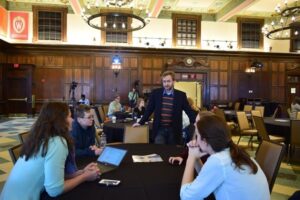
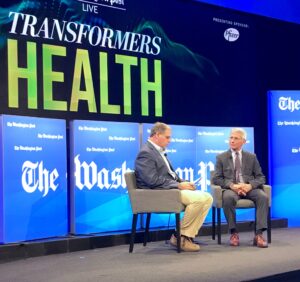
The poll findings are being released today at a forum in New Orleans on mental and public health, convened by Research!America, Pfizer, Tulane University School of Public Health and Tropical Medicine, and Louisiana State University Health Sciences Center. The forum is supported by Pfizer.
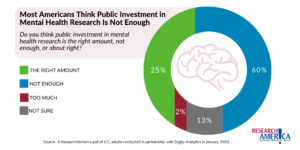
A majority (58%) of Louisiana residents say there are not enough resources like specialized health care and medicines in their community to treat people who need mental health services today, two and a half years after the hurricanes. They also believe more can be done to support local and state health departments that are expected to prepare for and respond to health threats.
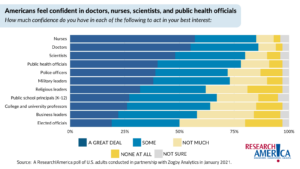
However, Louisianans acknowledge the importance of a range of individuals and groups with helping to improve health conditions since the hurricanes, including hospitals (92%), volunteers (92%), health care professionals (91%), religious groups (90%) and the business community (88%).
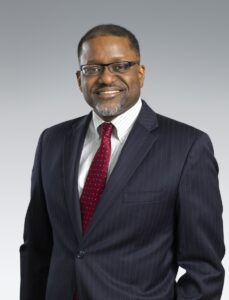
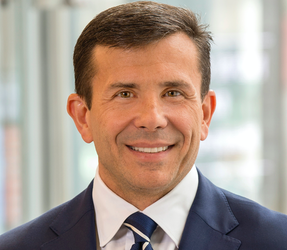
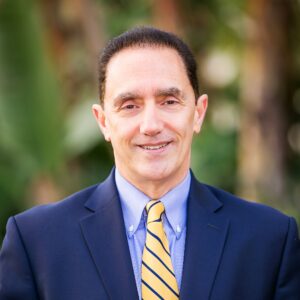
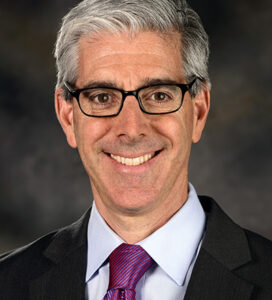
“Much progress has been made in restoring psychiatric infrastructure in New Orleans after Katrina,” said Mark Townsend, MD, vice chair, Department of Psychiatry, LSU Health Sciences Center, a panelist at the forum. “The next steps are even more complex-rebuilding inpatient and other facilities, attracting more mental health professionals to the region and greatly increasing community services.”
“Research into infants’ mental health has lagged behind other areas, and catastrophic events like Katrina show the need for further investment in this and other areas of mental health research,” said Neil W. Boris, MD, clinical assistant professor, Tulane University School of Medicine. “In my work studying how traumatic experiences affect the ways infants bond with their mothers, we also see the impact on a child’s later relationships.”
On the positive side, the poll showed that many (69%) think those who survived the hurricanes have developed new skills for coping with disaster. “Much more is needed to address mental health and public health in Louisiana, but the good news is that Louisianans are finding new ways to cope,” said Cathryn Clary, MD, vice president, external medical affairs, Pfizer Inc. “Pfizer’s partnerships in this region, like our collaborations around the world, reflect our commitment to working together with local, national and international stakeholders in the healthcare system to advance patient health in the U.S. and globally.”
“The poll and forum today show how partnerships among academia, business, government and volunteers can spark dialogue that leads to actions,” said Karen Goraleski, director, public health advocacy, Research!America. “We must make it a priority in Louisiana and nationally to invest in public and mental health research, to improve the health of our communities, our nation and our economy.”
In the poll, 93% said medical and health research is important to the state’s economy, and 97% said it is important for Louisiana to be a leader in medical and health research-yet only 32% said it currently is.
About the Poll
Charlton Research Company conducted the poll by telephone (random-digit dialing) with a sample of 800 adults in Louisiana. The entire sample was proportionate to the state’s demographics and has a margin of error of ±3.5%. Nine in 10 of those participating in the poll were living in Louisiana or the Gulf Coast region when the hurricanes hit in 2005; more than half (54%) currently reside in the state’s coastal parishes. To learn more about the forum and the poll, visit www.researchamerica.org.
Representatives from Tulane University, LSU Health Sciences Center, Pfizer and Research!America are available for further comment.